Duck Anatomy
Do Ducks Eat Rocks?
Yes, ducks eat rocks on purpose. They have no teeth, so they swallow small stones and sand — grit —…
 The World of Ducks
Quackoria Learn
The bill and its filter, the eyes and what they see, the feet and how they stay warm on ice, the feathers and why water runs off them. Duck anatomy explained from the science, with the common myths taken apart along the way.
Duck Anatomy
Yes, ducks eat rocks on purpose. They have no teeth, so they swallow small stones and sand — grit —…
Duck Anatomy
Yes. Ducks have ears — a middle ear and an inner ear much like ours — but no ear flap,…
Duck Anatomy
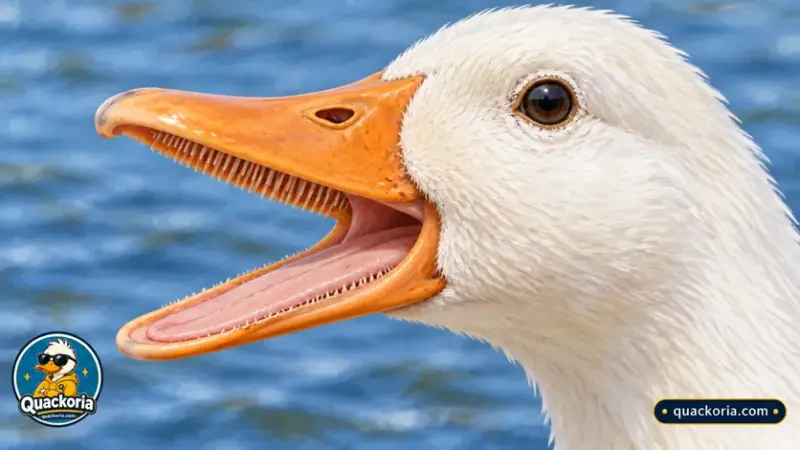
Yes, ducks have tongues, and bigger, stranger ones than you would guess: about 6.3 centimetres long in a domestic duck,…
Duck Anatomy
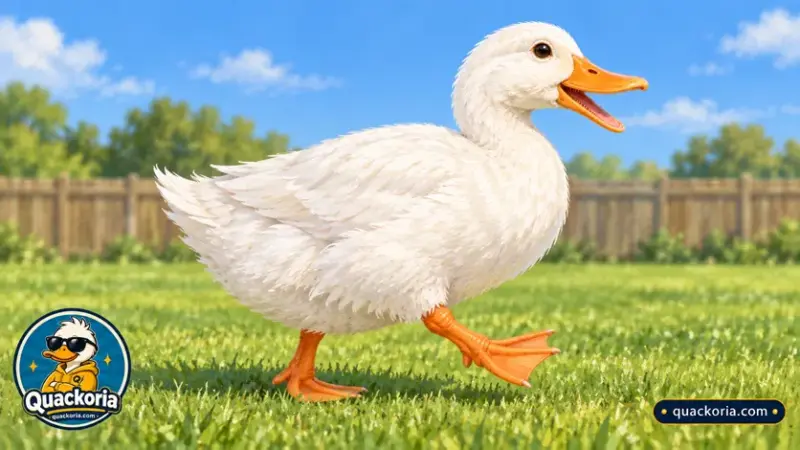
Yes. Ducks have knees — two, complete with kneecaps — and they bend the same way yours do; they are…
Duck Anatomy
A duck can put half its brain to sleep and keep the other half awake, with the eye connected to…
Duck Anatomy
A duck on ice keeps its body near 40°C and its feet just above freezing. Vessels in the leg trade…
Duck Anatomy
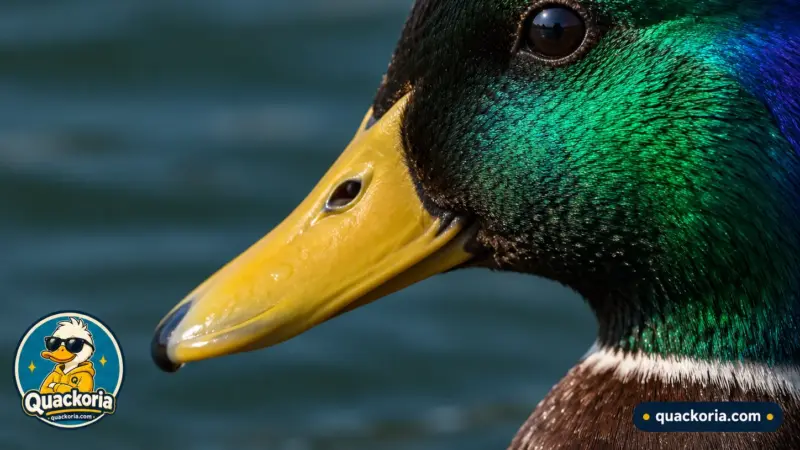
A mallard's eyes are set high on the sides of its head, and the result is complete visual coverage of…
Duck Anatomy
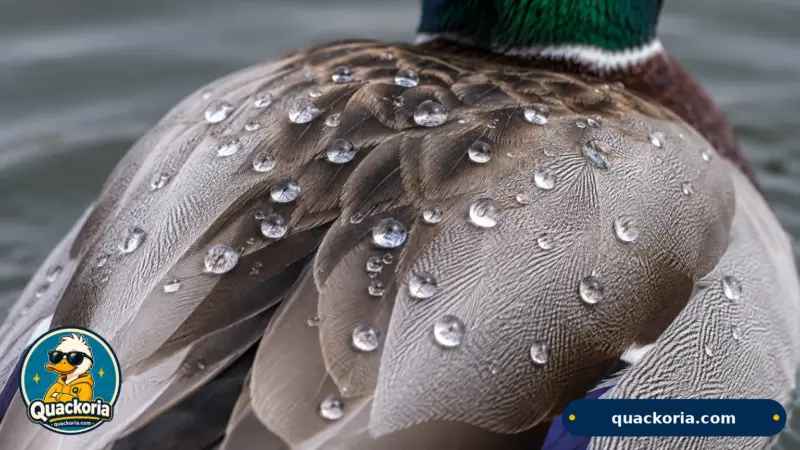
Water rolls off a duck's back mainly because of how its feathers are built. Preen oil keeps that structure in…
Duck Anatomy
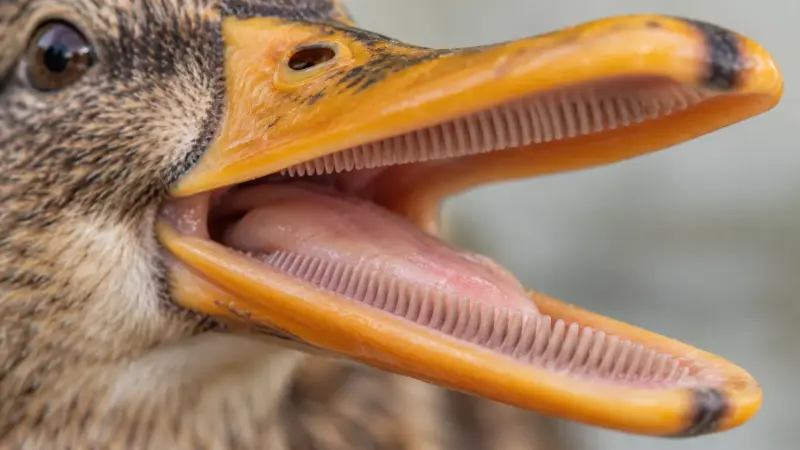
No bird alive has true teeth. What looks like a row of them inside a duck's bill is a set…